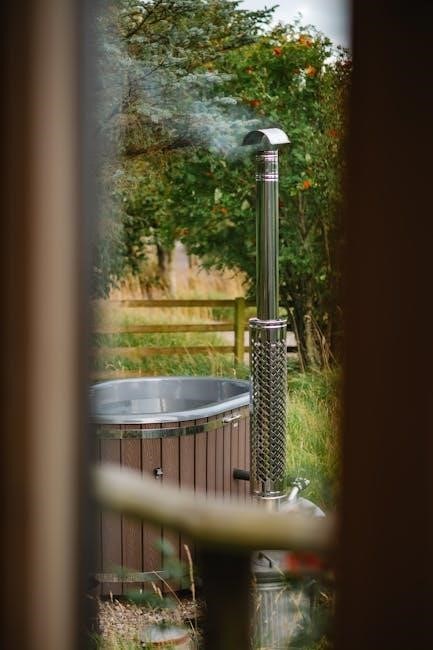
hot tub control panel instructions
Hot Tub Control Panel Instructions: A Comprehensive Guide
Navigating hot tub ownership requires understanding your control panel; this guide offers DIY troubleshooting for jets, pumps, heaters, and electrical systems, ensuring relaxation.
Understanding Your Control Panel
Your hot tub’s control panel is the central hub for all operations, dictating temperature, jet function, lighting, and filter cycles. Familiarizing yourself with its layout and functions is crucial for a seamless experience. Modern panels often feature digital displays, providing clear readouts of settings and error messages.
Understanding the panel’s interface allows for quick adjustments and efficient troubleshooting. A malfunctioning panel can disrupt relaxation, but many issues are easily addressed with basic knowledge. This guide aims to empower you to diagnose and resolve common problems, potentially saving on service calls. Regular maintenance and a proactive approach will ensure years of enjoyment.
Common Control Panel Components
Most hot tub control panels share several key components, regardless of brand. These typically include a digital display screen for showing temperature, settings, and error codes. Button or touch-sensitive controls allow you to adjust water temperature, activate jets, and manage lighting. A power button initiates and terminates the hot tub’s operation.
Many panels also feature dedicated buttons for filter cycles and light control. Some advanced systems incorporate Wi-Fi connectivity for remote operation via smartphone apps. Recognizing these components is the first step towards effective troubleshooting and maintaining optimal hot tub performance. Understanding each function enhances your overall experience.
Powering On and Off
Properly powering your hot tub on and off is crucial for safety and longevity. Locate the main power button on your control panel – it’s often clearly labeled. Pressing this button initiates the startup sequence, activating the pump and heater. Allow sufficient time for the water to reach the desired temperature before use.
To power down, press the same button. Avoid abruptly cutting power via the circuit breaker, as this can damage components. Always follow a controlled shutdown process. Remember to disconnect power before performing any maintenance. Consistent, correct powering procedures protect your investment and ensure years of reliable enjoyment.
Navigating the Display
Your hot tub’s control panel display is the central hub for monitoring and adjusting settings. Familiarize yourself with the layout; most displays show water temperature, jet status, filter cycle progress, and any active error codes. Use the control panel buttons to scroll through different screens and access various functions.
Pay attention to icons and symbols, as they provide quick visual cues about the hot tub’s operation. Understanding these indicators allows for efficient troubleshooting and ensures optimal performance. Regularly checking the display helps identify potential issues before they escalate, maintaining a relaxing and trouble-free experience.
Reading Error Codes
Error codes displayed on your hot tub’s control panel are crucial diagnostic tools. Don’t panic when you see one! These codes pinpoint specific issues within the system, ranging from heater malfunctions to pump problems. Consult your hot tub’s manual for a comprehensive list of error codes and their corresponding meanings.
Many manufacturers offer online resources or troubleshooting guides to assist with code interpretation. Accurately identifying the error code is the first step towards resolving the problem, potentially saving you a service call. Remember to note the code before attempting any fixes.
Understanding Icons and Symbols
Hot tub control panels utilize a variety of icons and symbols to convey information quickly and efficiently. Familiarizing yourself with these visual cues is essential for proper operation. Common symbols include those for temperature settings, jet activation, light controls, and filter cycles.
Pay close attention to warning symbols, which often indicate potential issues like low water levels or error conditions. Your owner’s manual will provide a detailed explanation of each icon and symbol used on your specific control panel. Understanding these visuals streamlines operation and troubleshooting.
Basic Troubleshooting Steps
When encountering issues with your hot tub, several basic troubleshooting steps can often resolve minor problems before requiring professional assistance. First, visually inspect the control panel for any obvious damage or error messages. Attempt a simple reset by turning the power off and on again, allowing the system to reboot.
Check the GFCI outlet to ensure it hasn’t tripped. Refer to your owner’s manual for specific error code interpretations. These initial steps can often restore functionality and prevent more significant issues, saving both time and expense.
Resetting the Control Panel
A control panel reset is often the first and simplest step in resolving minor hot tub malfunctions. To reset, locate the power switch supplying electricity to the hot tub – typically a dedicated breaker in your electrical panel. Turn the breaker completely off for at least 60 seconds. This allows the system to fully discharge and clear any temporary errors.
After the wait, switch the breaker back on. The control panel should power up and initiate its startup sequence. This process can often resolve glitches and restore normal operation. If the issue persists, further troubleshooting is needed;

Checking the Power Supply
Ensuring a stable power supply is crucial for hot tub operation. Begin by verifying the circuit breaker dedicated to the hot tub hasn’t tripped. If tripped, reset it, but if it immediately trips again, a more serious electrical issue exists, requiring a qualified electrician.
Next, check the voltage at the hot tub’s disconnect switch to confirm it matches the manufacturer’s specifications. Low voltage can cause control panel errors and prevent proper function. Always prioritize electrical safety; if unsure, consult a professional.
Inspecting the GFCI Outlet
The Ground Fault Circuit Interrupter (GFCI) outlet is a vital safety feature for hot tubs. Regularly inspect the GFCI outlet for proper operation; it should have a “test” and “reset” button. Press the “test” button – the outlet should trip, cutting power. Then, press “reset” to restore power.
If the GFCI doesn’t trip during the test, or won’t reset, it’s faulty and must be replaced by a qualified electrician. A malfunctioning GFCI compromises safety, increasing the risk of electrical shock. Never bypass or disable a GFCI outlet for a hot tub.
Temperature Control
Maintaining the ideal water temperature is crucial for a relaxing hot tub experience. Your control panel allows precise temperature adjustments, typically displayed in degrees Fahrenheit or Celsius. Use the designated buttons to increase or decrease the setpoint, observing the display for confirmation.
Understand that hot tubs have temperature limits, usually ranging from 80°F to 104°F (27°C to 40°C), for safety and energy efficiency. Allow sufficient time for the water to reach the desired temperature after adjustments; heating can take several hours. Avoid drastic temperature changes.
Adjusting Water Temperature

Precisely controlling your hot tub’s water temperature is easily managed through the control panel. Locate the temperature control buttons – often marked with “+” and “-” symbols or up and down arrows. Pressing these buttons incrementally raises or lowers the set temperature, displayed prominently on the panel.
Observe the display to confirm your desired temperature is selected. Remember that the tub will take time to reach the new setting. Avoid frequent, large adjustments; gradual changes are more efficient. Some panels offer programmable schedules for automated temperature control throughout the day.
Understanding Temperature Limits
Hot tub control panels incorporate safety features, including temperature limits, to prevent scalding and ensure safe operation. Most panels allow setting a maximum temperature, typically around 104°F (40°C), adhering to safety standards. Some also have a minimum temperature to prevent freezing in colder climates.

These limits are often adjustable within a defined range, but exceeding the maximum is usually restricted. The control panel may display a warning or prevent further temperature increases if the limit is reached. Always prioritize safety and adhere to recommended temperature guidelines for comfortable and healthy hot tub use.
Jet and Pump Controls
Your hot tub’s control panel manages jet and pump operation, offering adjustable settings for personalized hydrotherapy. Typically, you’ll find controls to activate or deactivate pumps, and adjust jet intensity – often labeled as low, medium, and high. Some systems feature dedicated controls for different jet zones, allowing targeted massage.
If jets aren’t functioning, the control panel might display an error code related to the pump or motor. Troubleshooting often involves checking the power supply and GFCI outlet. Refer to the panel’s diagnostic section for specific error code meanings and potential solutions before seeking professional assistance.
Activating and Adjusting Jet Settings
To activate jets, locate the corresponding pump button on your control panel and press it; a lit indicator confirms activation. Many panels offer variable speed control, allowing you to adjust jet intensity from gentle to powerful. Experiment with different settings to find your preferred level of hydrotherapy.
Some hot tubs feature dedicated buttons for specific jet zones, enabling targeted massage. If jets aren’t functioning correctly, ensure the pump is primed and check for any obstructions. Consult your owner’s manual for detailed instructions specific to your hot tub model and control panel.
Troubleshooting Pump Issues Displayed on Panel
If your control panel displays a pump error, first check for tripped breakers in your electrical panel. Resetting the breaker may resolve the issue. If the error persists, inspect the pump for any visible obstructions or debris. A clogged filter can also cause pump errors, so ensure it’s clean.
Some panels offer diagnostic codes; consult your owner’s manual to decipher these. If the pump is making unusual noises, it may indicate a mechanical problem requiring professional attention. Never attempt to repair the pump yourself without proper training and safety precautions.
Light Controls
Hot tub light controls, typically found on the control panel, allow you to operate the underwater lighting for ambiance and safety. Most systems feature on/off switches and may include color-changing options or brightness adjustments. If the lights aren’t functioning, check the control panel display for error messages related to the lighting system.
Simple troubleshooting includes verifying the light switch is fully engaged. If the issue continues, a blown fuse or faulty bulb could be the culprit. Always disconnect power before inspecting or replacing bulbs. Consider professional assistance if you’re uncomfortable with electrical components.
Operating the Hot Tub Lights
To operate your hot tub lights, locate the dedicated light control button on the control panel. A single press usually toggles the lights on or off. More advanced panels may offer multiple light zones or color selection options, navigated through the display interface. Experiment with the buttons to discover all available lighting features.
Some systems include a light cycle mode, automatically rotating through colors or creating a gentle fading effect. Remember to turn off the lights when not in use to conserve energy and prolong bulb life. Enjoy the enhanced ambiance and safety provided by your hot tub’s lighting system!
Troubleshooting Light Malfunctions
If your hot tub lights aren’t working, first check the control panel for any error messages related to the lighting system. If none appear, verify the power supply to the hot tub is stable. A tripped GFCI outlet can also cause light failure. Inspect the bulb itself – it may need replacing, though access can vary by model.
If the issue persists, consult your hot tub’s manual for specific troubleshooting steps. Some panels have a reset function for the lights. If you’re uncomfortable with electrical work, contact a qualified technician to avoid potential hazards and ensure safe repair.
Filter Cycle Operation
The filter cycle is crucial for maintaining clean spa water; your control panel allows you to initiate and monitor this process. Typically, you’ll find a dedicated button or menu option to start the cycle, which runs the pump to draw water through the filter, removing debris.
The control panel will display indicators showing the cycle’s progress or completion. Regular filter cycles, often daily or several times a week, are recommended. Understanding these indicators helps ensure optimal water quality and prolongs filter life, contributing to a more enjoyable and hygienic hot tub experience.
Starting and Monitoring Filter Cycles
To initiate a filter cycle, locate the corresponding button on your control panel – it may be labeled “Filter,” “Cycle,” or display a filter icon. Pressing this button activates the pump, drawing water through the filter to remove particles.
The control panel will display a running indicator, often a flashing light or a progress bar, signifying the cycle is in progress. Monitor this indicator to confirm operation; typical cycles last between 15-30 minutes. Some panels allow cycle duration adjustments. Regular monitoring ensures efficient filtration and consistently clean spa water.
Understanding Filter Cycle Indicators
Your hot tub control panel utilizes various indicators to communicate filter cycle status. A flashing filter icon typically signifies the cycle is actively running, drawing water through the filtration system. A solid icon may indicate the cycle is complete or that the filter needs cleaning.
Some panels display a percentage or timer, showing the remaining cycle duration. Error messages related to the filter cycle, like “Filter Cycle Error,” suggest a potential pump or sensor issue. Familiarizing yourself with these indicators ensures you can effectively monitor and maintain optimal water clarity.
Error Code Interpretation
Hot tub control panels employ error codes to diagnose system malfunctions. These codes, displayed numerically or alphanumerically, pinpoint issues with heaters, pumps, sensors, or the control panel itself. A comprehensive owner’s manual is crucial for decoding these messages.
Common codes relate to low flow, overheating, or sensor failures. Don’t ignore error codes; they signal potential problems needing attention. Attempting to resolve issues without understanding the code can worsen the situation. Referencing the manual or seeking professional help is recommended for complex or recurring errors.
Common Error Codes and Their Meanings

Decoding error codes is vital for hot tub maintenance. “Low Flow” (LF) often indicates a pump issue or blocked filter. “OHS” or “Overheat Sensor” suggests a heating element problem. “ICE” signifies an issue with the circulation pump, preventing proper freeze protection.
“S1” or “S2” codes typically relate to sensor malfunctions, requiring professional diagnosis. A blinking “ERR” often signals a general system fault. Always consult your specific hot tub’s manual, as code meanings vary by manufacturer. Ignoring these signals can lead to costly repairs and prolonged downtime.
Steps to Resolve Specific Error Codes
Addressing error codes requires a systematic approach. For “Low Flow” (LF), check and clean filters, inspect pump impellers for debris. If “OHS” appears, turn off the hot tub and allow it to cool before restarting; a faulty sensor may need replacement. For “ICE”, verify the circulation pump is functioning correctly.
Sensor errors (“S1/S2”) often necessitate professional assistance. A general “ERR” code may resolve with a power cycle. Document the error before resetting; If the code persists, contact a qualified technician to avoid further damage and ensure safe operation.
Maintenance and Care
Regular maintenance extends the life of your control panel. Gently clean the surface with a damp, non-abrasive cloth to remove dirt and grime; avoid harsh chemicals. Inspect for any physical damage, like cracks or loose buttons, and address them promptly. Protect the panel from direct sunlight and harsh weather conditions using a cover when not in use.
Periodically check wiring connections for corrosion. A clean and protected control panel ensures reliable operation and prevents costly repairs. Consider applying a plastic protectant to enhance durability and resist fading.
Cleaning the Control Panel
Maintaining a clean control panel is crucial for optimal functionality and longevity. Always power off the hot tub before cleaning. Use a soft, damp cloth with mild soap and water to gently wipe the surface. Avoid abrasive cleaners, solvents, or harsh chemicals, as these can damage the panel’s finish and components.
Pay attention to crevices around buttons and displays, removing any accumulated dirt or debris. Dry the panel thoroughly with a clean, dry cloth after cleaning. Regular cleaning prevents buildup and ensures clear visibility of displays and indicators.
Protecting the Control Panel from the Elements
Shielding your hot tub’s control panel from the elements is vital for preventing damage and ensuring reliable operation. Direct sunlight can fade the display and overheat components, so consider using a protective cover when the hot tub isn’t in use.
Rain and moisture can cause corrosion and electrical issues; ensure the panel is adequately sealed and protected from splashing. Avoid placing objects against the panel that could trap moisture. Regular inspection for any signs of weather damage is recommended, addressing issues promptly to prevent further complications.
Replacing a Control Panel
When a hot tub control panel is beyond repair, replacement becomes necessary. Begin by identifying the correct replacement panel, ensuring compatibility with your hot tub’s brand and model. Numerous suppliers offer high-quality panels designed for seamless integration.
Prioritize safety by disconnecting the power supply before starting the installation. Carefully follow the manufacturer’s instructions, paying close attention to wiring connections. Incorrect wiring can cause damage or pose a safety hazard. If you’re uncomfortable with electrical work, consult a qualified technician for professional assistance.
Finding the Right Replacement Panel
Locating the correct replacement control panel is crucial for restoring functionality. Start by identifying your hot tub’s make and model number – this information is typically found on a label near the equipment compartment. Utilize this data when searching online or contacting hot tub parts suppliers.
Ensure the replacement panel is specifically designed for your hot tub’s system. Compatibility is key to avoid further issues. Consider browsing reputable suppliers offering a wide selection and detailed product descriptions. Verify return policies in case the panel isn’t a perfect fit.
Installation Instructions and Safety Precautions
Prioritize safety during control panel installation; disconnect power at the breaker before beginning. Carefully document the existing wiring configuration with photos or notes before disconnecting anything. Follow the manufacturer’s instructions precisely, ensuring all connections are secure and properly insulated.
Double-check wiring diagrams to avoid errors. If unsure, consult a qualified electrician. After installation, restore power and test all functions. Never attempt repairs with the power on. Grounding is essential for electrical safety; verify proper grounding before use.
Safety Considerations
Electrical safety is paramount around hot tubs; never operate with wet hands or stand in water. Always inspect cords for damage and avoid using extension cords. A Ground Fault Circuit Interrupter (GFCI) outlet is crucial for preventing electric shock; test it monthly.
Protect your hot tub’s control panel and electrical components from voltage spikes by using a surge protector. Regularly check for loose connections or signs of corrosion. If you notice any electrical issues, immediately disconnect power and consult a qualified electrician – do not attempt self-repair.
Electrical Safety Around Hot Tubs
Maintaining a safe environment around your hot tub’s electrical components is critical. Never operate the control panel or any electrical device with wet hands, and ensure the area is dry. Regularly inspect cords and connections for damage, replacing any worn or frayed parts immediately.
A properly installed and functioning GFCI (Ground Fault Circuit Interrupter) outlet is essential for preventing electrical shock. Test the GFCI monthly to confirm its operation. Avoid using extension cords, and always disconnect power before performing any maintenance or inspection.
Using a Surge Protector
Protecting your hot tub’s sensitive electronic components, including the control panel, from power surges is vital for longevity. Voltage spikes, caused by lightning or grid fluctuations, can severely damage these systems. A surge protector acts as a buffer, absorbing excess voltage and safeguarding your investment.
Invest in a high-quality surge protector specifically designed for outdoor use and hot tub applications; Ensure it’s properly grounded and has sufficient joule ratings to handle potential surges. Regularly check the surge protector’s indicator light to confirm it’s functioning correctly, providing continuous protection.








Leave a Comment