
ncaa international academic standards guide
NCAA International Academic Standards Guide: An Overview (Updated February 18, 2026)
This guide details current NCAA eligibility for international student-athletes, encompassing academic performance and amateur status, with updates from the House v․ NCAA settlement․
Recent Updates & Impact
Significant changes have recently impacted NCAA eligibility standards, particularly for international student-athletes․ The landmark House v․ NCAA settlement, alongside rulings delivered on October 22, 2025, necessitate a thorough understanding of updated requirements․ These developments directly affect how international students navigate the certification process and demonstrate their academic preparedness․
The removal of standardized testing requirements – SAT/ACT – in January 2023, is a permanent shift impacting all international students entering college from the 2025-26 academic year onward․ Institutions now play a crucial role in verifying academic credentials and ensuring equivalency, demanding careful attention to NCAA guidelines and proper documentation procedures․ Staying informed about these evolving rules is paramount for both students and institutions․
House v․ NCAA Settlement & October 22, 2025 Rulings
The House v․ NCAA settlement dramatically reshapes collegiate athletics, influencing eligibility standards for all student-athletes, including those from international backgrounds․ Coupled with the October 22, 2025 rulings, these legal shifts necessitate a re-evaluation of existing NCAA policies regarding name, image, and likeness (NIL) and athlete compensation․
For international students, these changes impact financial aid considerations and potential conflicts with visa regulations․ Institutions must ensure compliance with both NCAA guidelines and U․S․ immigration laws when providing support to international athletes․ Understanding the nuances of these rulings is crucial for maintaining eligibility and avoiding potential violations, requiring proactive guidance for both athletes and compliance staff․

Key NCAA Eligibility Areas
NCAA eligibility hinges on academic performance and amateur status; early preparation is vital for navigating these requirements and ensuring a smooth certification process․
Academic Performance
Academic success is paramount for NCAA eligibility, particularly for international student-athletes navigating differing educational systems․ Meeting core-course requirements, achieving minimum GPA standards, and successfully completing secondary education (or its equivalent) are crucial steps․ The NCAA Eligibility Center meticulously evaluates transcripts to ensure academic preparedness for collegiate athletics․
International students must demonstrate completion of secondary school coursework comparable to U․S․ standards․ This often involves submitting transcripts for credential evaluation by an NCAA-approved service․ Maintaining a qualifying GPA in core academic subjects is essential, with specific requirements varying between Divisions I and II․ Understanding these nuances and proactively addressing academic needs is key to a successful eligibility outcome․
Amateur Status
Maintaining amateur status is a cornerstone of NCAA eligibility, applying equally to domestic and international student-athletes․ This means refraining from accepting any compensation – financial or otherwise – related to athletic skill or participation․ Strict rules govern endorsements, prize money, and even expenses covered by boosters or representatives of athletic interests․
International students must be particularly mindful of cultural norms regarding gifts or sponsorships that might inadvertently violate NCAA regulations․ Understanding permissible and impermissible activities is vital to avoid jeopardizing eligibility․ The NCAA provides resources and guidance to help student-athletes navigate these complexities, ensuring a level playing field and preserving the integrity of collegiate athletics․
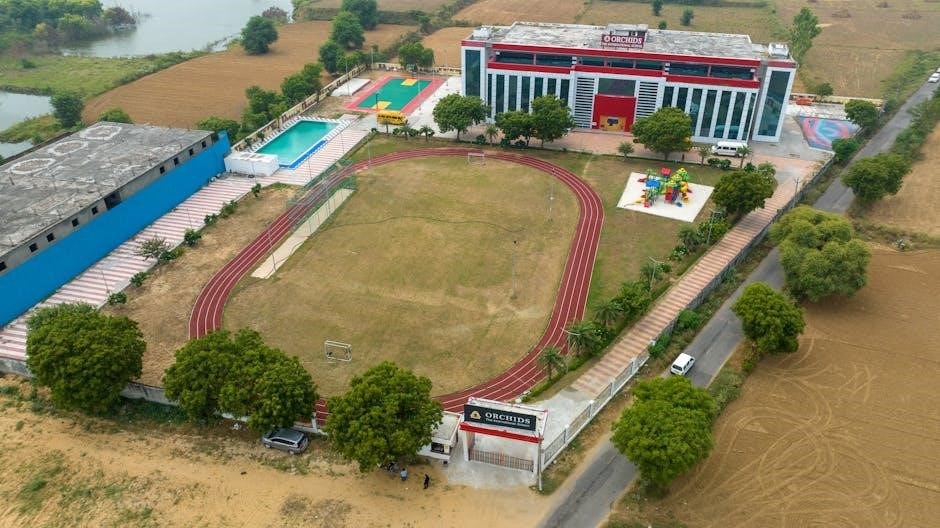
Initial-Eligibility Flyer: A Resource for Student-Athletes
The International Initial-Eligibility Flyer assists student-athletes in understanding NCAA certification requirements as they pursue collegiate athletics at the next level․
Understanding Certification Requirements
Navigating the NCAA Eligibility Center’s certification process is crucial for international student-athletes aiming to compete in Divisions I and II․ This process verifies academic eligibility based on core-course completion, GPA, and test score requirements (where applicable, noting the recent removal of standardized testing mandates)․
International students must submit official academic transcripts and undergo a credential evaluation by an NCAA-approved agency to ensure equivalency to U․S․ high school coursework․ Accurate translation of documents is also essential․ The Eligibility Center assesses these materials to determine if the student meets the minimum academic standards for initial eligibility․
Understanding these requirements early and working closely with high school counselors and the NCAA Eligibility Center is paramount for a smooth certification experience․
Permanent Changes for 2025-26 and Beyond
A significant and lasting shift in NCAA eligibility standards occurred in January 2023, impacting all international student-athletes entering college from the 2025-26 academic year onward․ Divisions I and II officially eliminated the requirement for standardized SAT or ACT test scores for initial eligibility determinations․
This decision streamlines the process for many international students who faced challenges accessing or submitting these tests․ However, core academic course completion and GPA requirements remain vital components of eligibility․ Institutions and student-athletes must focus on fulfilling these academic prerequisites to ensure compliance with NCAA regulations․
These changes represent a fundamental adjustment to the eligibility landscape․
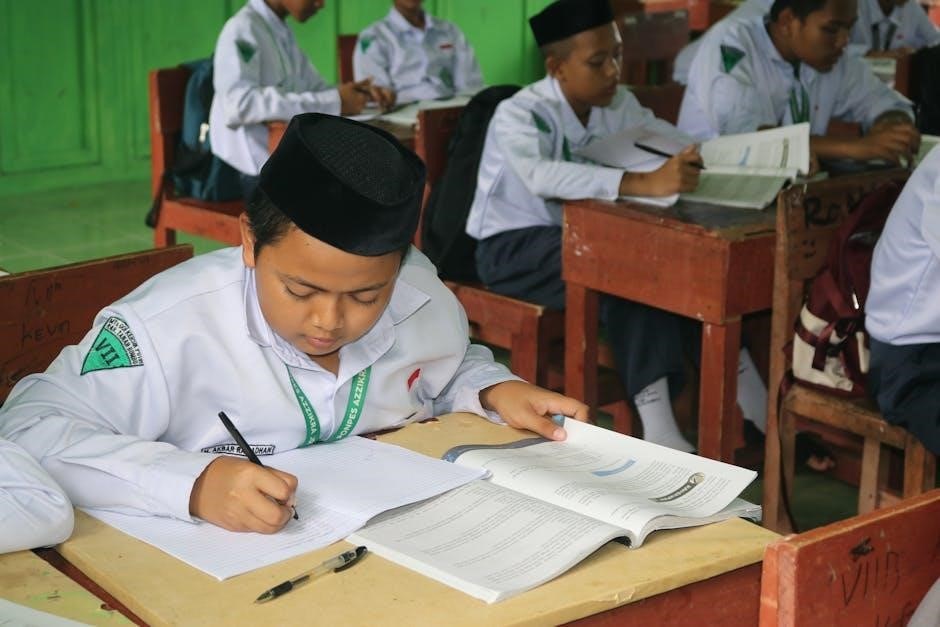
Removal of SAT/ACT Requirements
In January 2023, NCAA Divisions I and II permanently removed SAT/ACT scores from initial-eligibility standards, impacting international student-athletes significantly․
Division I Implications
The removal of standardized testing requirements in Division I significantly alters the academic landscape for international student-athletes pursuing collegiate athletics․ Previously, submitting valid SAT or ACT scores was a crucial component of the initial-eligibility certification process․ Now, a greater emphasis is placed on core-course GPA and completion of the required core-course curriculum․

International students must still demonstrate successful completion of secondary education, or its equivalent, and meet minimum GPA requirements in core academic courses․ Institutions play a vital role in ensuring accurate credential evaluations and official translations of academic records to verify eligibility․ This shift necessitates a thorough understanding of NCAA equivalency standards and institutional responsibilities to navigate the evolving rules effectively․
Division II Implications
For NCAA Division II institutions, the elimination of SAT/ACT requirements mirrors the changes in Division I, placing increased importance on academic performance as demonstrated through core-course completion and GPA․ International student-athletes aiming for Division II eligibility must now focus intently on achieving a strong academic record within their secondary school curriculum․
Specifically, completing the required 16 core courses remains a fundamental requirement․ Accurate GPA calculation, adhering to NCAA standards for international students, is paramount․ Institutions are responsible for meticulously evaluating credentials and ensuring official translations are submitted․ This ensures a fair and consistent assessment of academic qualifications for all prospective student-athletes, regardless of their country of origin․

International Academic Requirements
All international student-athletes must fulfill specific academic criteria, including completing secondary education (or its equivalent) and maintaining a minimum GPA in core academic courses․
Completion of Secondary Education (or Equivalent)
For international student-athletes, demonstrating completion of secondary education is paramount for NCAA eligibility․ This isn’t always a straightforward process, as educational systems vary significantly across the globe․ The NCAA requires documentation proving the equivalent of a U․S․ high school diploma․ This often involves submitting transcripts and potentially undergoing a credential evaluation by an NCAA-approved agency․
The specific requirements depend on the country’s educational structure․ Some nations have a 12-year system mirroring the U․S․, while others differ․ It’s crucial to understand what documentation your specific country requires to satisfy the NCAA’s standards․ Failure to adequately demonstrate secondary school completion will jeopardize eligibility, regardless of academic performance․
Minimum GPA in Core Academic Courses
Maintaining a minimum GPA in core academic courses is a fundamental NCAA eligibility requirement for all student-athletes, including those from international backgrounds․ The NCAA defines core courses as those traditionally required for admission to a four-year college or university․ A sliding scale, factoring in GPA and standardized test scores (though tests are now optional for many), historically determined initial eligibility․
However, with the removal of SAT/ACT requirements, GPA holds increased significance․ International students’ GPAs are evaluated after being converted to the U․S․ 4․0 scale by an approved credential evaluation service․ Meeting the minimum GPA ensures academic preparedness for collegiate-level coursework and athletic participation․

NCAA Division I Eligibility Requirements
Division I requires specific core-course completion and a corresponding GPA, evaluated through credential assessments for international students, to certify initial eligibility․
Core-Course Requirements
For NCAA Division I eligibility, international student-athletes must complete a specific number of core courses․ These courses must meet content area requirements, encompassing four years of English, math, natural/physical science, social science, and additional courses in any of those areas․ The NCAA Eligibility Center meticulously reviews transcripts to verify completion․
It’s crucial that these courses are academically rigorous and equivalent to those taken by U․S․ students․ Institutions play a vital role in ensuring course equivalency and providing accurate documentation․ Proper core-course completion is foundational for meeting overall eligibility standards and pursuing athletic opportunities at the Division I level․ Careful planning and adherence to NCAA guidelines are essential throughout a student’s academic journey․
GPA Requirements
NCAA Division I establishes minimum GPA requirements for international student-athletes seeking eligibility․ A sliding scale combines GPA and standardized test scores (though tests are now optional – see removal of SAT/ACT section)․ However, a minimum GPA in core courses is still paramount․
Division II also has GPA requirements, often less stringent than Division I, but still crucial for qualification․ GPA calculation for international students can be complex, requiring careful evaluation of transcripts and conversion to the U․S․ 4․0 scale․ Institutions are responsible for accurately calculating and reporting GPAs to the NCAA Eligibility Center, ensuring compliance with established standards for athletic participation․

NCAA Division II Eligibility Requirements
Division II requires completion of 16 core courses and a specific GPA calculation method for international students, differing slightly from Division I standards․
16 Core-Course Completion
For NCAA Division II eligibility, international student-athletes must successfully complete a minimum of 16 core courses․ These courses must meet specific subject area requirements, typically including four years of English, three years of mathematics, two years of natural or physical science, one year of social science, and additional courses from any of these areas․
It’s crucial to understand that the NCAA defines core courses as those taken in a college-preparatory curriculum․ Institutions and secondary schools play a vital role in determining which courses qualify as core courses․ Proper documentation and official transcripts are essential to demonstrate completion to the NCAA Eligibility Center․ Meeting this requirement is a foundational step towards achieving NCAA eligibility for international students pursuing Division II athletics․
GPA Calculation for International Students
Calculating the GPA for international students differs from the standard US calculation due to varying grading systems․ The NCAA Eligibility Center utilizes a standardized conversion scale to translate international grades into a comparable GPA․ This process involves evaluating transcripts and assigning US equivalent grade points to each course completed․
Accurate transcript submission and professional credential evaluation are paramount for a correct GPA calculation; The NCAA doesn’t accept self-reported GPAs; official evaluations from approved services are required․ This standardized GPA is then used to determine initial eligibility for both NCAA Division I and Division II athletics, ensuring a fair assessment for all student-athletes․

Credential Evaluation & Translation
Official transcript evaluations and translations are essential for NCAA eligibility․ Approved services assess academic credentials, ensuring accurate US grade equivalencies for international students․
Acceptable Evaluation Services
The NCAA Eligibility Center specifies approved credential evaluation services to ensure consistency and accuracy in assessing international academic records․ Utilizing a non-approved service can jeopardize a student-athlete’s eligibility․ Currently accepted organizations include World Education Services (WES), Educational Credential Evaluators (ECE), and SpanTran․
These services meticulously review transcripts, diplomas, and other educational documents to determine their US equivalency․ They provide a detailed report outlining the equivalent grade level and coursework completed․ Institutions and student-athletes must verify that the chosen evaluation service is currently listed on the NCAA Eligibility Center’s website for acceptance․ Regularly checking for updates is crucial, as the list of approved vendors can change․
Official Translation Requirements
All academic documents not originally issued in English must be accompanied by an official, word-for-word translation․ The NCAA Eligibility Center requires translations to be completed by a professional translation service, not the school, counselor, or family member․ Acceptable translations must be certified and include a signed statement attesting to the accuracy of the translation․
The translation should be submitted alongside the original document or a certified copy․ It’s vital that the translation accurately reflects all information on the original transcript, including course titles, grades, and credits․ Failure to provide a certified, accurate translation will likely result in delays or denial of eligibility․

Navigating NCAA Rules for International Students
International students must understand equivalency and institutional responsibilities to meet NCAA standards, ensuring a smooth eligibility process for collegiate athletics participation․
Understanding Equivalency
Determining academic equivalency is crucial for international student-athletes seeking NCAA eligibility․ The NCAA recognizes that educational systems vary globally, and direct course-to-course comparisons aren’t always feasible․ Therefore, equivalency focuses on the rigor and content of coursework completed outside the United States․
Institutions and NCAA-approved credential evaluation services play a vital role in assessing whether international coursework aligns with the standards of U․S․ college preparatory education․ This process ensures fairness and consistency in evaluating academic credentials․ Understanding how your secondary school curriculum translates to NCAA core-course requirements is paramount for a successful eligibility outcome․ Careful planning and proactive engagement with your institution’s compliance staff are highly recommended․
Institutional Responsibilities
NCAA member institutions bear significant responsibility in guiding international student-athletes through the eligibility process․ This includes providing clear information about NCAA requirements, assisting with credential evaluations, and ensuring accurate translation of academic records․ Institutions must verify the authenticity of documents and confirm completion of secondary education or its equivalent․
Furthermore, colleges are expected to educate international students on NCAA amateurism rules and monitor their compliance․ Proactive communication and dedicated support staff are essential for navigating the complexities of international eligibility․ Institutions must also maintain detailed records of all evaluations and documentation for potential NCAA review, ensuring a smooth certification process․











Leave a Comment