ref guide for essential oils
Essential oils‚ plant-derived extracts‚ boast centuries of therapeutic use‚ gaining modern popularity for supporting health and well-being through natural‚ holistic approaches.
What are Essential Oils?
Essential oils are highly concentrated‚ volatile aromatic compounds extracted from various parts of plants – flowers‚ leaves‚ stems‚ roots‚ or bark. These aren’t simply “oils” in the traditional sense; they don’t feel oily to the touch‚ but rather carry the plant’s scent and unique properties.

The extraction process often involves methods like steam distillation‚ cold pressing‚ or solvent extraction‚ carefully preserving the plant’s natural chemical composition. These compounds are responsible for the plant’s characteristic aroma and potential therapeutic benefits. They’ve been utilized for centuries‚ deeply rooted in traditional medicine practices across cultures.
Essentially‚ they represent the ‘life force’ of the plant‚ offering a natural way to influence mood‚ health‚ and overall wellness. Their potency requires careful handling and understanding before use.
Historical Use of Essential Oils
Essential oils boast a rich history‚ dating back thousands of years to ancient civilizations like Egypt‚ China‚ and India. Egyptians utilized them extensively in embalming‚ religious ceremonies‚ and medicinal practices‚ documenting their uses on papyrus. Traditional Chinese medicine incorporated aromatic plants for healing‚ balancing energy‚ and promoting well-being.
Throughout history‚ essential oils served as perfumes‚ antiseptics‚ and components of traditional remedies. The Greeks and Romans adopted and expanded upon these practices‚ recognizing their therapeutic properties. During the Middle Ages‚ they were valued for their medicinal qualities‚ particularly during times of plague.
Their enduring legacy demonstrates a consistent understanding of their potent benefits‚ passed down through generations‚ solidifying their place in holistic health traditions.
Popular Essential Oils and Their Uses
Diverse essential oils‚ including lavender‚ tea tree‚ lemon‚ eucalyptus‚ and peppermint‚ offer a wide range of benefits for aromatherapy‚ wellness‚ and daily life.
Lavender Essential Oil: Benefits and Applications
Lavender essential oil stands as a cornerstone in aromatherapy‚ celebrated for its calming and versatile properties. Historically utilized for centuries‚ it continues to be a favored choice for promoting relaxation and sleep. Its gentle floral aroma helps to reduce stress‚ anxiety‚ and even mild pain.
Applications are incredibly diverse; it can be diffused to create a peaceful atmosphere‚ added to bathwater for a soothing soak‚ or diluted with a carrier oil for topical application to temples or pulse points. Lavender is also known for its skin-healing properties‚ aiding in minor burns‚ cuts‚ and insect bites.
Beyond relaxation‚ lavender can potentially alleviate headaches and improve mood. Its widespread availability and gentle nature make it an excellent starting point for those new to essential oils‚ offering a natural pathway to enhanced well-being and a tranquil lifestyle.
Tea Tree Essential Oil: Properties and Uses
Tea tree essential oil‚ derived from the Melaleuca alternifolia tree‚ is renowned for its potent antimicrobial and antiseptic properties. Originating from Australia‚ it has a long history of traditional use by indigenous communities for treating various ailments. Today‚ it’s a popular natural remedy for skin conditions and immune support.
Its primary application lies in skincare‚ effectively combating acne‚ fungal infections like athlete’s foot‚ and minor cuts and scrapes. Diluted tea tree oil can be applied topically to affected areas‚ helping to cleanse and heal. It’s also frequently used in natural cleaning products due to its disinfecting qualities.
However‚ it’s crucial to remember that tea tree oil is potent and should never be ingested. Proper dilution with a carrier oil is essential to avoid skin irritation. With careful use‚ tea tree oil offers a powerful‚ natural approach to health and hygiene.
Lemon Essential Oil: Uses in Aromatherapy and Cleaning
Lemon essential oil‚ extracted from fresh lemon peels‚ is celebrated for its bright‚ uplifting aroma and versatile applications in both aromatherapy and household cleaning. It’s a widely used oil‚ valued for its invigorating and purifying properties‚ offering a natural alternative to synthetic fragrances and harsh chemicals.
In aromatherapy‚ lemon oil is known to boost mood‚ reduce stress‚ and enhance concentration. Diffusing it can create an energizing atmosphere‚ while adding a few drops to a carrier oil allows for a revitalizing massage. Its cleansing properties extend to the home; lemon oil effectively cuts through grease and grime‚ leaving surfaces sparkling.
When used for cleaning‚ always test on an inconspicuous area first. Remember‚ like all essential oils‚ it should be diluted and never ingested. Lemon oil provides a fresh‚ natural way to uplift your senses and maintain a clean environment.
Eucalyptus Essential Oil: Respiratory Support
Eucalyptus essential oil is renowned for its powerful respiratory benefits‚ stemming from its key component‚ cineole. For centuries‚ it has been utilized to alleviate congestion‚ clear sinuses‚ and ease coughs‚ making it a staple in traditional remedies for respiratory ailments. Its invigorating aroma also provides a sense of clarity and openness.
The oil’s properties help to loosen mucus and promote easier breathing‚ particularly useful during colds‚ flu‚ or allergies. Inhalation methods‚ such as steam inhalation or diffusing‚ are common ways to experience its benefits. Topical application‚ when properly diluted with a carrier oil‚ can offer soothing relief to the chest and throat.
However‚ caution is advised; eucalyptus oil is potent and should be used responsibly‚ avoiding internal consumption and careful consideration for those with certain medical conditions.
Peppermint Essential Oil: Energy and Focus
Peppermint essential oil is widely celebrated for its invigorating and stimulating properties‚ making it an excellent choice for boosting energy levels and enhancing mental clarity. Its refreshing aroma can help to combat fatigue‚ improve concentration‚ and sharpen focus‚ proving beneficial during work‚ study‚ or times requiring heightened alertness.
The oil’s key component‚ menthol‚ contributes to its cooling and revitalizing effects. Inhalation is a popular method‚ whether through direct sniffing‚ diffusion‚ or steam inhalation‚ to quickly uplift the mind and senses. Topical application‚ always diluted‚ can provide a cooling sensation that eases tension headaches and muscle soreness.
However‚ it’s crucial to use peppermint oil cautiously‚ as it can be overpowering and may not be suitable for everyone‚ especially those with certain sensitivities.

Safe Usage of Essential Oils
Prioritize safety: always dilute essential oils with carrier oils before topical application‚ and exercise caution regarding potential sensitivities or contraindications.
Dilution with Carrier Oils
Dilution is paramount when utilizing essential oils‚ as they are highly concentrated and can cause skin irritation or sensitization if applied undiluted. Carrier oils‚ such as jojoba‚ sweet almond‚ grapeseed‚ or coconut oil‚ serve as a base to safely deliver the essential oil’s benefits.
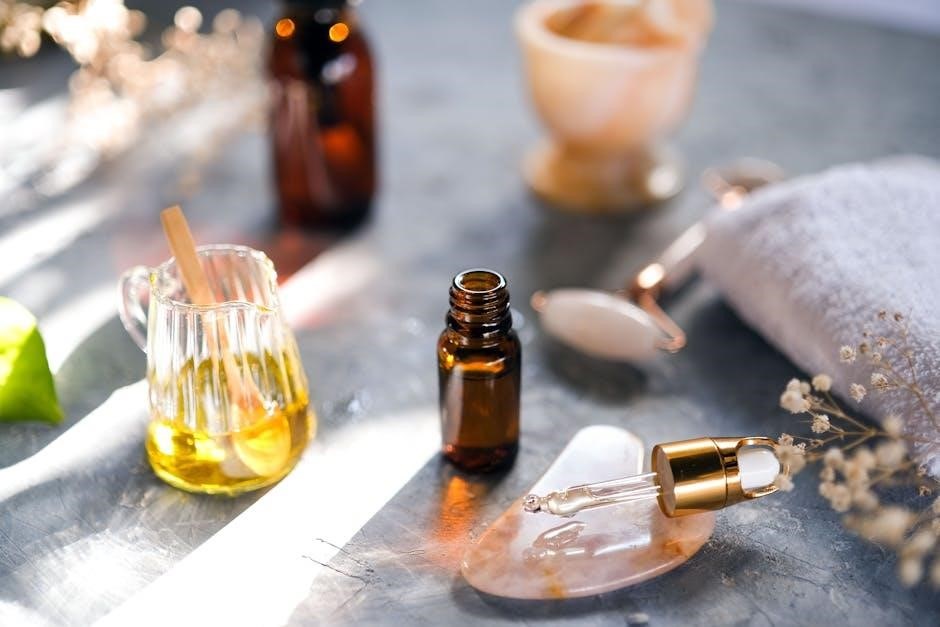
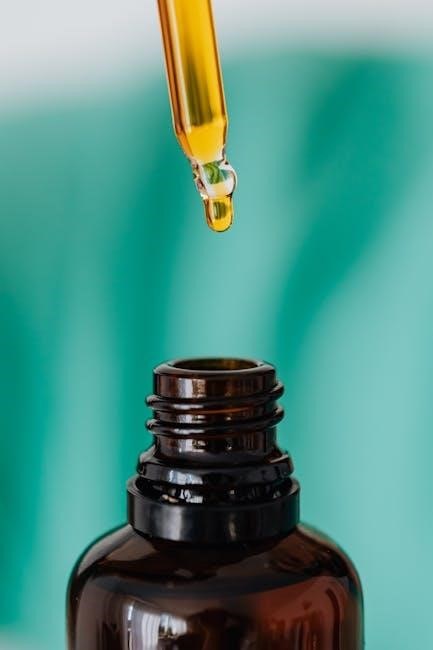
A general guideline suggests a 1-3% dilution for adults‚ meaning 1-3 drops of essential oil per teaspoon (5ml) of carrier oil. For sensitive skin‚ the elderly‚ or children‚ a 0.5-1% dilution is recommended. Always perform a patch test on a small area of skin before widespread application to check for any adverse reactions.
The choice of carrier oil can also influence the overall experience; some oils possess unique properties that complement specific essential oils. Proper dilution not only ensures safety but also enhances absorption and maximizes the therapeutic potential of these potent botanical extracts.

Methods of Application: Aromatherapy‚ Topical‚ Inhalation
Essential oils offer versatile application methods‚ each impacting the body differently. Aromatherapy utilizes the oils’ scent via diffusers‚ allowing inhalation to influence mood and well-being. Topical application‚ always with a carrier oil‚ delivers benefits through skin absorption‚ targeting localized concerns.
Inhalation extends beyond diffusion; direct inhalation from the bottle or a cloth can provide quick relief‚ particularly for respiratory issues. Warm compresses infused with essential oils can soothe muscles‚ while adding oils to baths promotes relaxation.
Consider the oil’s properties and desired effect when choosing a method. Some oils are best suited for aromatherapy‚ while others excel in topical treatments. Always prioritize safety and proper dilution‚ regardless of the chosen application technique‚ to maximize benefits.
Precautions and Contraindications
Essential oil use demands caution. Never ingest essential oils undiluted‚ as this can be hazardous. Perform a patch test before topical application to check for allergic reactions; dilute with a carrier oil to minimize skin sensitivity.
Certain oils are contraindicated during pregnancy‚ breastfeeding‚ or for individuals with specific medical conditions like epilepsy or asthma. Children and pets require even greater dilution and careful selection of oils.
Photosensitivity is a concern with some citrus oils; avoid sun exposure after topical application. Always consult a healthcare professional before using essential oils alongside medications or for serious health concerns. Proper storage‚ away from heat and light‚ is crucial for maintaining oil quality and safety.
Essential Oils for Specific Concerns
Targeted essential oil blends can address unique needs‚ from promoting restful sleep and healthy skin to cautiously exploring potential tinnitus support options.
Essential Oils for Sleep and Relaxation
Creating a calming atmosphere for sleep and relaxation is easily achievable with specific essential oils. Lavender essential oil consistently emerges as a top choice‚ renowned for its soothing properties and ability to reduce anxiety. Diffusing lavender before bedtime can promote a more peaceful and restorative sleep experience.
Beyond lavender‚ consider Roman chamomile‚ known for its gentle‚ floral aroma that eases tension and encourages tranquility. Sweet Marjoram offers a warming‚ comforting scent‚ ideal for relieving muscle tension that might interfere with sleep. Blending these oils with a carrier oil for a relaxing massage can further enhance their benefits.
Remember to prioritize a consistent bedtime routine and a quiet‚ dark sleep environment alongside essential oil use for optimal results. Experimenting with different oils and blends allows you to discover what best supports your individual needs for restful sleep and deep relaxation.
Essential Oils for Skin Health
Essential oils offer diverse benefits for skin health‚ addressing concerns from acne to aging. Tea Tree oil‚ celebrated for its antimicrobial properties‚ is a popular choice for combating blemishes and promoting clearer skin. However‚ it’s crucial to dilute Tea Tree oil properly with a carrier oil to avoid irritation.
For dry or mature skin‚ Rosehip oil provides deep hydration and can help reduce the appearance of fine lines and scars. Frankincense essential oil is also valued for its rejuvenating effects‚ promoting cell turnover and improving skin tone. Lavender‚ beyond relaxation‚ can soothe irritated skin and reduce redness.
Always perform a patch test before applying any essential oil blend to a larger area of skin‚ and remember that proper dilution is paramount to prevent adverse reactions.
Essential Oils and Tinnitus: Cautions
While some suggest essential oils may offer relief for tinnitus‚ extreme caution is vital. Improper use carries potential hazards to your hearing‚ and self-treating can be detrimental. Essential oils are not a cure for tinnitus‚ and their effectiveness varies greatly among individuals.
If considering essential oils‚ consult with a healthcare professional and a qualified aromatherapist experienced in addressing auditory concerns. Never ingest essential oils‚ and always dilute them significantly with a carrier oil before topical application. Avoid direct contact with the inner ear.
Be aware that certain essential oils may interact with medications or exacerbate existing health conditions. Prioritize professional medical advice and proceed with utmost care when exploring essential oils for tinnitus.
Sourcing and Quality of Essential Oils
Prioritize pure essential oils by verifying botanical names‚ extraction methods‚ and avoiding additives; proper storage extends shelf life‚ preserving therapeutic benefits and aroma.
Identifying Pure Essential Oils
Determining the purity of essential oils is crucial for experiencing their full therapeutic benefits and avoiding potential adverse reactions. Look for oils labeled with the botanical name of the plant – for example‚ Lavandula angustifolia for Lavender – rather than just a common name. Reputable suppliers will also clearly state the extraction method used‚ such as steam distillation or cold pressing.
Beware of oils marketed as “fragrance oils” or “perfume oils‚” as these are often synthetic and lack the therapeutic properties of genuine essential oils. A simple test involves placing a drop of oil on a piece of white paper; a pure oil will evaporate completely without leaving a greasy stain. Additionally‚ pure essential oils typically have a complex aroma that evolves over time‚ while synthetic oils often smell one-dimensional.
Consider purchasing from companies that conduct third-party testing‚ such as Gas Chromatography-Mass Spectrometry (GC/MS)‚ to verify the oil’s chemical composition and purity. Transparency regarding sourcing and testing is a hallmark of a trustworthy supplier.
Storage and Shelf Life
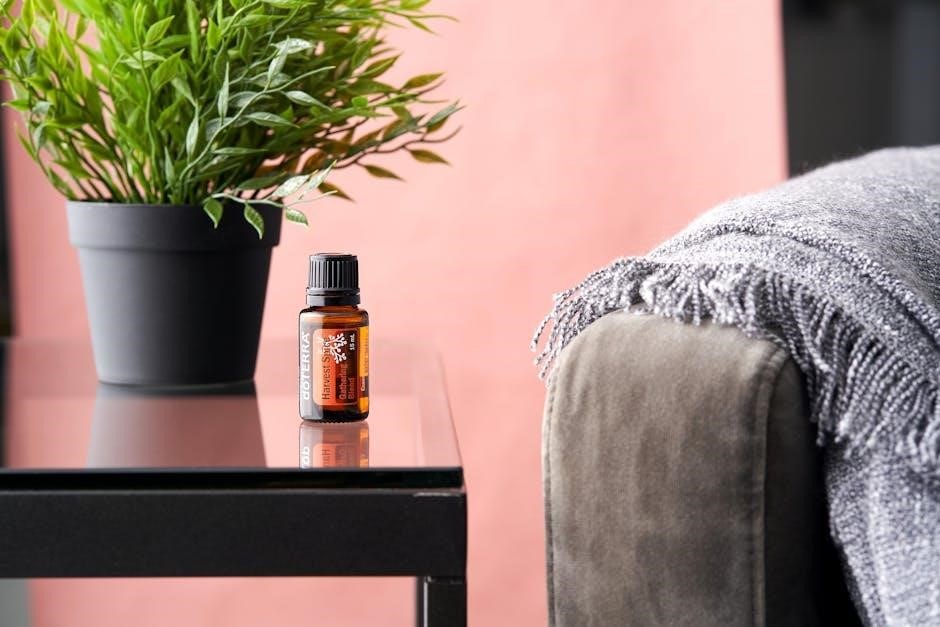
Proper storage is vital to maintain the quality and potency of essential oils. Exposure to air‚ light‚ and heat can cause oxidation‚ diminishing their therapeutic properties. Store oils in dark-colored glass bottles‚ preferably amber or cobalt blue‚ to protect them from light degradation. Keep these bottles tightly sealed in a cool‚ dark place‚ away from direct sunlight and heat sources like radiators.
Shelf life varies depending on the oil; citrus oils generally have a shorter lifespan (around 1-2 years) due to their high limonene content‚ while resinous oils like frankincense can last for several years. Over time‚ oils may thicken or develop a different aroma‚ indicating oxidation.
Discard oils that show signs of rancidity or have a significantly altered scent. Properly stored oils will retain their quality for a longer period‚ ensuring you receive the maximum benefits from these precious botanical extracts.











Leave a Comment