
pdf ashtanga yoga
PDFs bridge ancient Ashtanga teachings with modern convenience, offering portable, searchable, and shareable practice guides. They preserve portable, breathing cues, and philosophical insights, enabling practitioners to study, review, and refine their routines anywhere, anytime. Download and practice anytime!!

What is Ashtanga Yoga?
Ashtanga Yoga is a dynamic, structured practice rooted in the ancient Vinyasa tradition. It blends synchronized breath, flowing postures, and a disciplined sequence that cultivates strength, flexibility, and mental clarity. The practice follows a fixed order: the Primary Series, followed by the Intermediate and Advanced Series, each designed to progressively deepen the practitioner’s experience. Central to Ashtanga is the concept of “vinyasa,” the coordinated movement of breath and body, creating a meditative flow that unites physical effort with inner awareness. The approach emphasizes consistency, with daily practice recommended to build stamina and focus. Each pose is performed with precise alignment, encouraging mindful attention to posture, breath, and the subtle sensations that arise. The practice also incorporates “bandhas” (energy locks) and “drishti” (gaze points) to enhance internal energy flow and concentration. Historically, Ashtanga was taught by master Pattabhi Jois, who adapted the ancient texts into a systematic, teacher‑led format. Today, practitioners worldwide follow the same sequence, often guided by instructional videos, books, and digital resources such as PDFs that provide detailed pose descriptions, breathing cues, and philosophical context. These resources enable students to study the practice at their own pace, review complex sequences, and maintain consistency across sessions. By integrating breath, movement, and mind, Ashtanga Yoga offers a holistic path to physical health, emotional balance, and spiritual growth. Practice

Role of PDFs in Practice
PDFs serve as portable, high‑resolution references that capture the full depth of Ashtanga sequences. They allow practitioners to access detailed pose diagrams, breath instructions, and bandha cues without the need for bulky books. Because PDFs are searchable, students can quickly locate specific postures or philosophical passages, facilitating targeted study and review. The format supports annotations, enabling users to add personal notes, mark progress, or highlight challenging transitions. Moreover, PDFs can be distributed globally, ensuring that teachers’ original intent remains intact across translations and adaptations. Digital libraries of Ashtanga PDFs provide a consistent curriculum, which is essential for maintaining alignment and progression in a disciplined practice. For beginners, a PDF guide offers step‑by‑step instructions that can be printed or displayed on a tablet, allowing the practitioner to practice with visual reference at hand. Advanced students benefit from the ability to revisit complex sequences, compare variations, and track their own performance over time. The lightweight nature of PDFs means they can be stored on smartphones or cloud services, making them accessible during travel or in the studio. Additionally, PDFs can incorporate hyperlinks to instructional videos, audio cues, or supplementary materials, creating an integrated learning ecosystem. In essence, PDFs bridge the gap between traditional oral transmission and modern self‑study, empowering practitioners to deepen their practice with precision, consistency, and ease. By integrating PDFs into daily routines, students can maintain a clear record of their progress, receive instant feedback through embedded checklists, and share insights with a global community, thereby fostering a collaborative environment that supports sustained growth for lifelong mastery and continuous evolution.
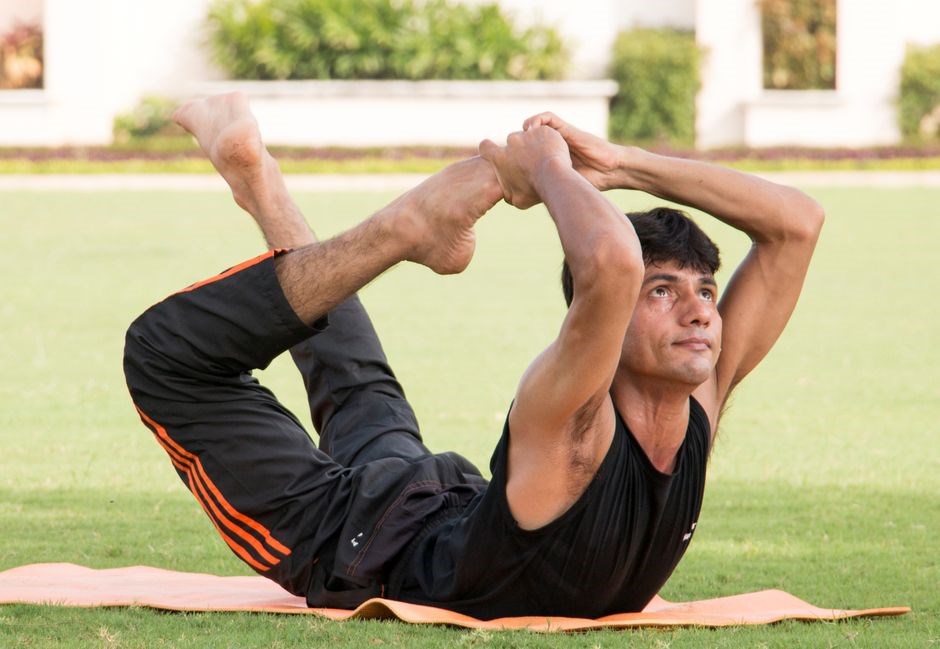
Historical Context
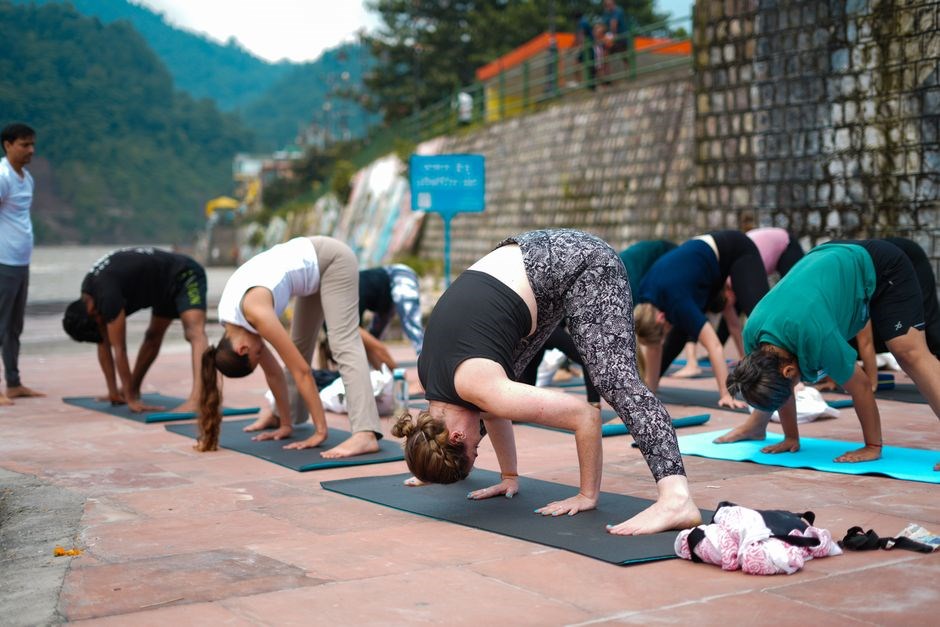
PDF Ashtanga Yoga traces its roots to the 20th‑century digital revolution, merging ancient Ashtanga teachings with modern file formats. Early adopters digitized classic texts, enabling global access and preserving traditional sequences for future generations. Global access preserves tradition. worldwide.

Origins of Ashtanga Yoga
Ashtanga Yoga, rooted in the ancient Vedic tradition, emerged as a structured system under the guidance of Sri K. Pattabhi Jois in the mid‑20th century. The practice synthesizes breath, movement, and meditation into a disciplined series of postures, emphasizing alignment, strength, and inner awareness. Jois adapted the classical Ashtanga Vinyasa system, tailoring it for modern practitioners while preserving its core principles. His teachings were initially transmitted orally and through handwritten notes, but the advent of digital technology transformed their dissemination. PDFs became a pivotal medium, allowing practitioners worldwide to access authentic sequences, detailed instructions, and philosophical context. By converting traditional manuscripts into searchable, portable documents, the PDF format preserved the integrity of the practice while enabling widespread, consistent study. This digital shift not only democratized access but also fostered a global community of practitioners who can share insights, track progress, and maintain fidelity to the original sequences. The transition to PDF has thus played a crucial role in sustaining the lineage, ensuring that Ashtanga Yoga remains both a living tradition and a modern, accessible resource for all seekers. Moreover, the PDF format supports annotations, allowing students to mark key points, track progression, and integrate audio or video links. This approach enriches learning, bridging theory with practice. As communities grow, shared PDFs become living archives, evolving with wisdom.
Evolution into Digital Resources
As the digital age accelerated, practitioners and teachers sought ways to preserve the integrity of Ashtanga sequences while making them universally accessible. PDFs emerged as the ideal format, offering a balance between fidelity and flexibility. Unlike static images or scanned documents, PDF files support layered content: highres images, embedded videos and interactive hyperlinks. This allows students to view step‑by‑step illustrations, listen to breath cues, and navigate between sections with ease. Moreover, PDFs can be annotated, enabling users to add personal notes, track progress, or highlight key points share insights with peers, fostering growth. The format’s cross‑platform compatibility ensures that a student on a laptop, tablet, or smartphone can access the same resource without formatting loss. As online communities grew, the sharing of PDF collections became a cornerstone of collective learning. Teachers could upload updated sequences, incorporate new research, and maintain version control, ensuring that students always accessed the most current practice guidelines. The ability to embed metadata—such as author, creation date, and keywords—further enhanced searchability, making it simple to locate specific poses or philosophical passages. In addition, PDF accessibility features, like text‑to‑speech and screen‑reader compatibility, opened doors for visually impaired practitioners. The evolution into digital resources facilitated integration of analytics. By embedding tracking codes, instructors could monitor how often a particular pose was accessed, allowing them to tailor future content. This PDF resource is designed to support practitioners at all levels, from beginners to advanced, ensuring consistent practice and deepening the mind‑body connection. encourages reg reflection. daily
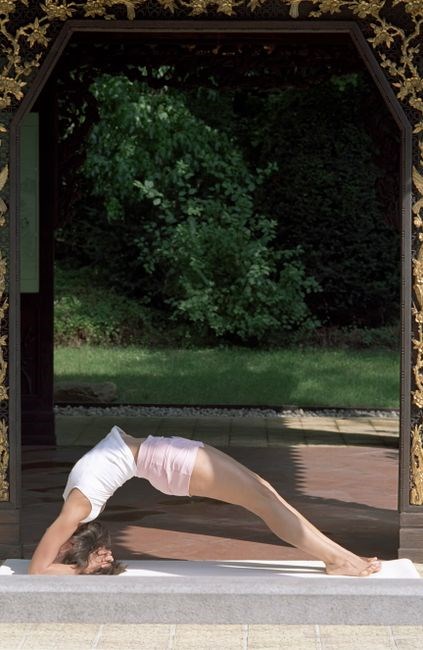
Core Principles of Ashtanga Yoga
Core principles guide Ashtanga practice: breath, focus, alignment, and consistency. PDFs present these concepts through clear diagrams, step‑by‑step instructions, and philosophical notes, ensuring students grasp the holistic framework and apply it in daily practice. It supports offline study, ensure continuity!

PDFs bring Ashtanga teachings into practice, offering searchable guides preserve breath cues.
PDFs provide structured sequences, breath cues, and alignment diagrams, allowing practitioners to follow the dynamic Ashtanga flow consistently, even when traveling and maintain alignment integrity.
- Yama (Moral Restraints) – The limb establishes boundaries, encouraging non‑violence and compassion toward all beings.
- Niyama (Observances) – Personal practices like purity, contentment, and surrender reinforce steadiness.
- Asana (Posture) – The physical practice develops strength, flexibility, and steadiness, preparing the body for breath.
- Pranayama (Breath Control) – Breath regulation cultivates energy flow, concentration, and calm mind, bridging body spirit.
- Pratyahara (Withdrawal) – Sensory detachment sharpens focus inward, reducing distractions, fostering inner clarity.
- Dhara (Concentration) – Sustained single‑point focus trains the mind steady, setting deeper meditation.
- Dhyana (Meditation) – Continuous, effortless awareness deepens insight, allowing the practitioner to experience the present.
- Samadhi (Absorption) – The limb represents transcendence, where consciousness merges with universal awareness, achieving liberation.
These PDFs keep with the eight‑limb system for practice.
Using PDFs to Study the Principles
PDFs serve as compact, searchable repositories that encapsulate the eight‑limb framework, enabling practitioners to dissect each principle at their own pace. By embedding high‑resolution diagrams, breath‑timing charts, and concise commentary, a single document can illustrate how Yama’s non‑violence translates into mindful movement, or how Niyama’s contentment manifests in a calm breathing rhythm. The digital format allows instant cross‑referencing: a reader can click a hyperlink to a detailed explanation of Pranayama’s Ujjayi technique, then return to the main flow without losing context. Annotating PDFs further personalizes the learning experience; practitioners can highlight key verses, add margin notes on alignment cues, or insert audio clips of guided breath sequences. Moreover, the portability of PDFs means that a student can review the same material during a commute, in a quiet corner of a studio, or while traveling, ensuring consistency across environments. The search function is particularly powerful for revisiting specific concepts—searching “pratyahara” instantly pulls up all occurrences, allowing a focused review of sensory withdrawal. Finally, many PDF readers support bookmarking, so a practitioner can mark the page where the Dhyana meditation instructions appear, then revisit it during a practice session. This blend of accessibility, interactivity, and structured content makes PDFs an indispensable tool for mastering Ashtanga’s philosophical depth and practical application. Such PDFs empower students to merge theory and practice, fostering lifelong growth now!

Creating Effective PDF Resources
Design PDFs with clear headings, legible fonts, and consistent margins. Use high‑resolution images, labeled diagrams, and concise text. Embed hyperlinks to deeper resources, add bookmarks, and enable searchability for quick reference during practice. Add tools now!?
Design Essentials
When crafting PDFs for Ashtanga practice, layout clarity is paramount. Begin with a clean, grid‑based structure that separates poses, breathing instructions, and philosophical notes. Use a serif or sans‑serif font no smaller than 10pt for body text and 14pt for headings. Consistent line spacing (1.15–1.5) keeps the page readable. High‑resolution images (300 dpi) should be embedded in vector format when possible to avoid pixelation. Each pose illustration must be labeled with its Sanskrit name, English transliteration, and key alignment cues. Include a brief, bulleted summary of the pose’s benefits and common pitfalls. For breathing sequences, use numbered lists and bold the inhale/exhale cues to draw attention. Add a small icon or color code to indicate the difficulty level of each pose. Margins should be at least 0.75 inches on all sides to prevent text from running into the edge. A footer with page numbers and a discreet logo maintains a professional look. Finally, embed a search index and bookmarks for each major section so users can jump directly to a specific practice or concept. This design approach ensures that the PDF is not only a static document but a user‑friendly tool that supports consistent, mindful practice!!
Add interactive links to video demos, downloadable pose charts, and audio cues for breath timing; Keep the file size low by compressing images and using efficient formats. Test on multiple devices to ensure consistent rendering across platforms. Embed a search index for quick access to any pose sequence.

Benefits for Practitioners
PDF Ashtanga yoga resources offer instant access, consistent guidance, and portable practice plans. Users can review sequences, track progress, and study philosophy offline, enhancing focus, flexibility, and self‑discipline across all levels. Ideal for daily routines.!!!
Accessibility and Consistency
PDF Ashtanga yoga manuals provide a reliable, uniform reference that transcends time zones, device limitations, and language barriers. By embedding step-by-step sequences, breath cues, and alignment diagrams, practitioners receive a consistent roadmap that supports progressive mastery. The digital format allows instant updates, ensuring that corrections, new variations or seasonal adjustments are reflected across all copies. Users can annotate margins, highlight key points, and link to supplementary audio or video, creating a personalized study hub. Moreover, PDFs are lightweight, enabling offline practice during travel or in areas with limited connectivity. The ability to print or view on any screen guarantees that the core principles remain accessible, no matter the environment. Consistency is further reinforced by standardized formatting: uniform font sizes, clear headings, and numbered steps reduce cognitive load, allowing practitioners to focus on breath and posture. This systematic approach fosters deeper concentration, reduces the risk of misalignment, and promotes a sense of stability throughout the practice. Ultimately, the combination of accessibility and consistency empowers practitioners to cultivate disciplined, mindful routines that adapt to evolving skill levels while maintaining the integrity of Ashtanga tradition. and deepen body, breath, and spirit. daily.!! Consistency empowers to track shifts, refine alignment, and cultivate resilience, honoring tradition while embracing growth!!








Leave a Comment